Social policy
However, its global competitiveness and attractiveness as a destination for investment and talent is in decline. Skills and labour shortages, coupled with costly and complex regulatory frameworks, are putting European businesses at a disadvantage in global markets. These challenges discourage job-creating investments and threaten Europe’s long-term economic and social sustainability.
By 2100, the EU’s working-age population is projected to decline by nearly 50 million, intensifying pressures on economic and social systems. For Europe’s ageing societies, getting more from our work and our investment is particularly important to be able to maintain the European way of life. With overall EU productivity at just 75% of U.S. levels in 2022—and the long-term productivity gap showing no signs of closing—Europe’s social market economy is at risk.
Structural labour market weaknesses
The EU labour market suffers from structural weaknesses, including high unemployment and the under-representation of key groups such as women, youth and older workers. Furthermore, Europe faces a growing skills gap, alongside the pressing need to embrace digitalisation. These challenges are exacerbated by mismatches between the skills provided by education and the needs of businesses, which, in turn, affect productivity.
A smarter social policy
European employment and social policy can and must contribute to improving Europe’s competitiveness and productivity. Europe’s policy choices have a direct impact on companies and workers. They determine enterprises’ capacity to remain productive, competitive and resilient in the face of potential crises. They have an impact on how companies do business and create job opportunities. They influence labour market participation. They affect how, when and where people work. They guide how people access education and training. However, a predominantly regulatory-driven approach to social policy increases compliance costs, burdens SMEs disproportionately, and limits business flexibility. EU policy makers should avoid unnecessary new social policy legislative initiatives.
It is also crucial that the EU gives the necessary space for social dialogue to play its role in finding solutions to Europe’s labour market challenges. On issues within their competence, the European social partners are best placed to find balanced solutions that work for both employers and workers.
Priorities for the next five years
To support business growth and economic resilience, social policy should focus on:
- Completing the Single Market – Enhancing labour mobility through digital tools
- Expanding labour market participation – Promoting active labour market policies to boost employment.
- Future proof skills – Placing digital education at the core of a renewed EU skills agenda.
- Attracting global talent – Creating more effective legal migration pathways for skilled workers.
- Competitive sustainability – Establishing a level playing field on the social dimension of ESG in trade and accounting.
European social dialogue
As a key European social partner, BusinessEurope ensures that businesses’ perspectives are heard by legislators when shaping employment and social policy. We advocate early consultation and thorough discussions before introducing new regulations and respect of EU social partners’ autonomous agreements. We support policies that enhance, rather than hinder, competitiveness and job creation.
BusinessEurope, in collaboration with SMEunited, SGI Europe, and ETUC, implements projects co-financed by the European Commission aimed to address specific objectives agreed in the EU Social Partners’ work programmes. These initiatives strengthen social dialogue across Europe by fostering knowledge-sharing, engagement and implementation of key social dialogue instruments.
To support employer organisations in EU member states and candidate countries, BusinessEurope manages the Employers’ Resource Centre (ERC) on behalf of the three cross-industry employer organisations – BusinessEurope, SGI Europe, and SMEunited. Intended as a practical tool to enhance engagement with social dialogue outcomes and policy developments, the platform provides up-to-date information on European social dialogue, including key texts, project activities of the European social partners, and EU funding opportunities.
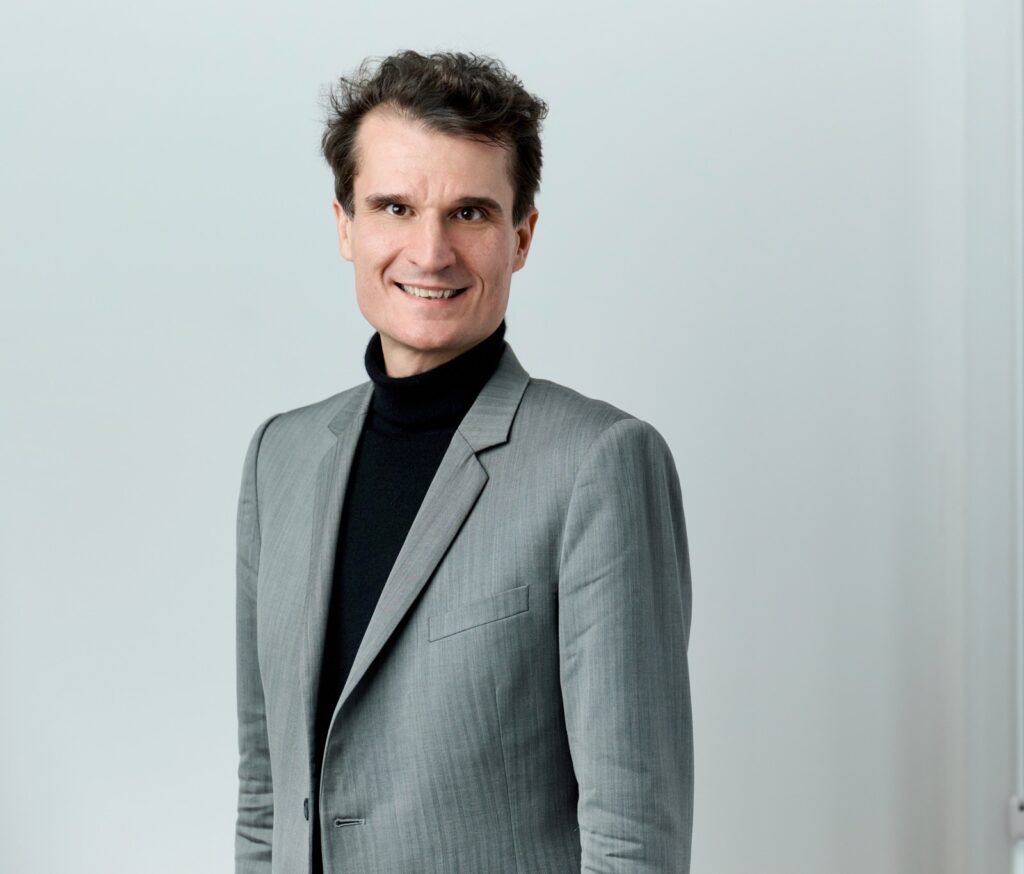
Maxime Cerutti
%
Currently, only 1 in 5 ICT specialists in the EU are women
Watch our latest