Better regulation and burden reduction
Evidence-based decision-making
Better regulation does not replace or undermine political deliberation and decision-making, including the existing legal requirements. It provides policymakers with a strong evidence and information base to make informed choices when deciding on legislation.
With the evolution of our societies and changing political goals, different regulatory means may be necessary to achieve desired political outcomes. At the same time, there is an objective risk of overregulation and excessive burdening. The challenge of simplifying the EU regulatory framework is acknowledged as one of the major issues in the recent reports on the future Single Market by Enrico Letta (p. 121) in April 2024 and on EU competitiveness by Mario Draghi in September 2024. Therefore, regular scrutiny is necessary to identify disproportionate or unnecessary burdens and prevent or remove them.
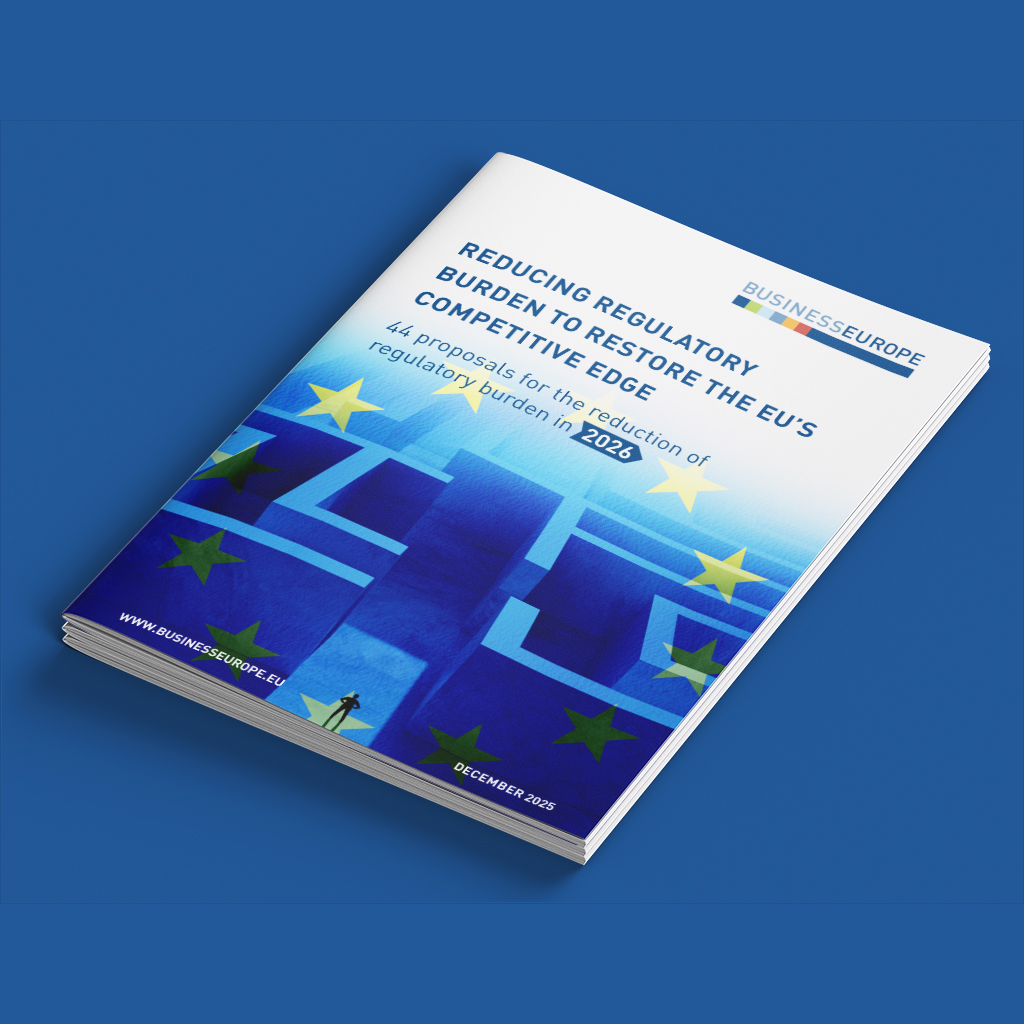
Reducing regulatory burden to restore the EU’s competitive edge
BusinessEurope agrees with the analysis provided by these high-level reports as businesses operating in the EU name regulatory burdens as one of the two top problems when it comes to the investment climate. Regulation is seen by more than 60% of EU companies as an obstacle to investment, with 55% of SMEs flagging regulatory obstacles and the administrative burden as their greatest challenge.
BusinessEurope contributes to the better regulation agenda by proposing concrete measures:
- in which policy areas and how to reduce regulatory burdens,
- to improve impact assessments and reinforce their independent scrutiny,
- to address deficiencies in stakeholder consultation process,
- and improve EU decision-making processes in general.
Our advocacy on better regulation and burden reduction over last years brought a few significant changes in EU decision-making, such as:
- the application of the 1in-1out principle to control cumulative burdens,
- introduction of the competitiveness check in impact assessments and strengthened Regulatory Scrutiny Board,
- heightened political commitment to better scrutinise delegated acts,
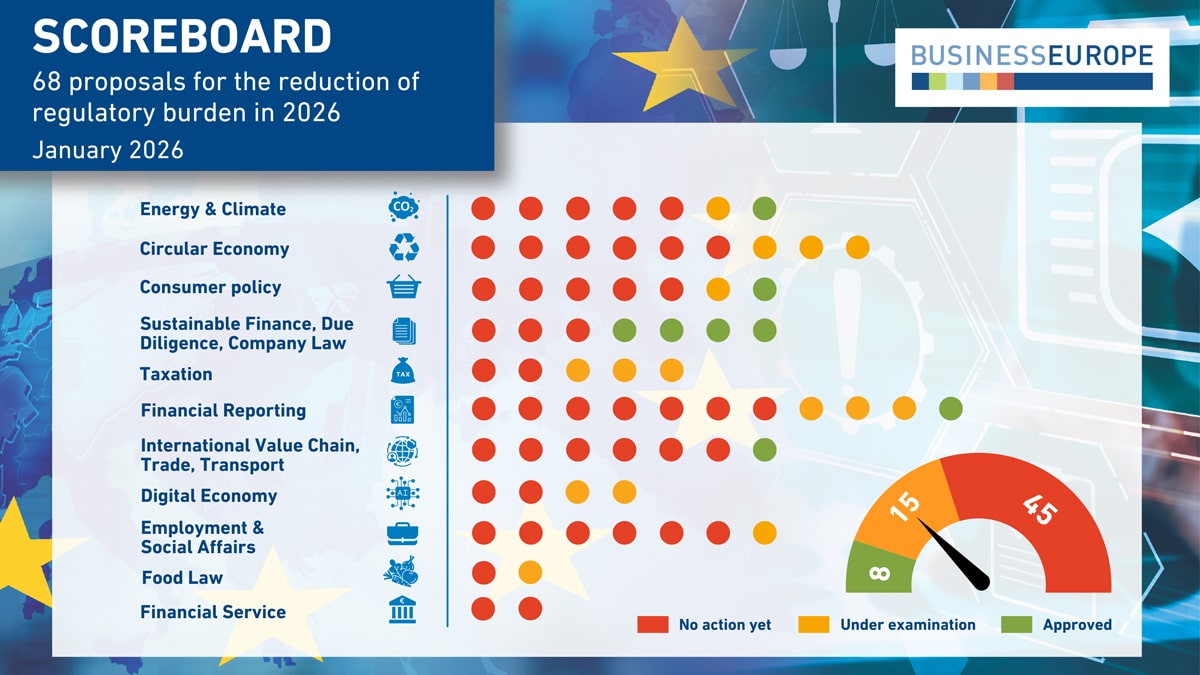
- the initiative of reduction regulatory burden on companies, starting with the Commission President’s commitment to cut reporting requirements for companies by 25% (and 35% for SMEs),
- introduction of “reality checks” to test how legislation affects companies on the ground,
- and last but least – a planned revision of the Inter-Institutional Agreement on Better Law-Making of the European Commission, the European Parliament and the EU Council.
BusinessEurope is also a member to the Fit-for-Future Platform on simplification of EU law, the mandate of which is pending renewal.

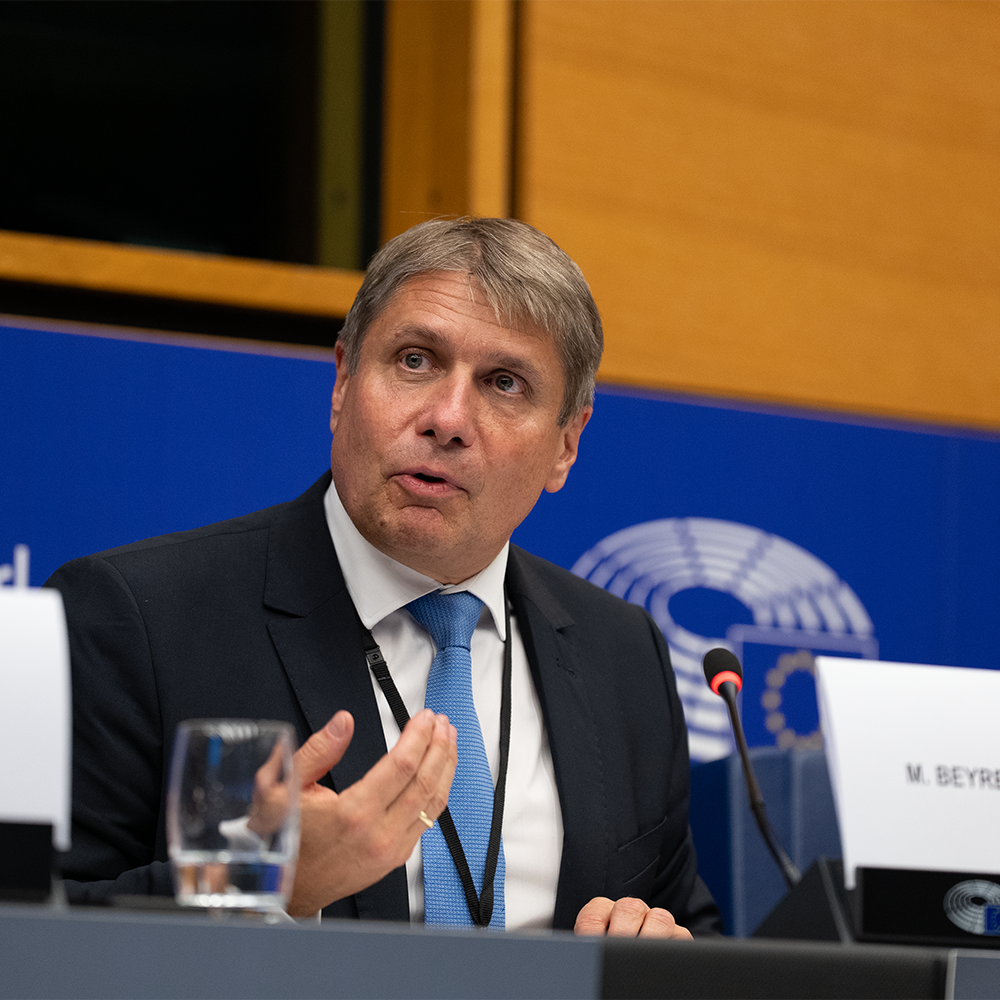
Martynas Barysas
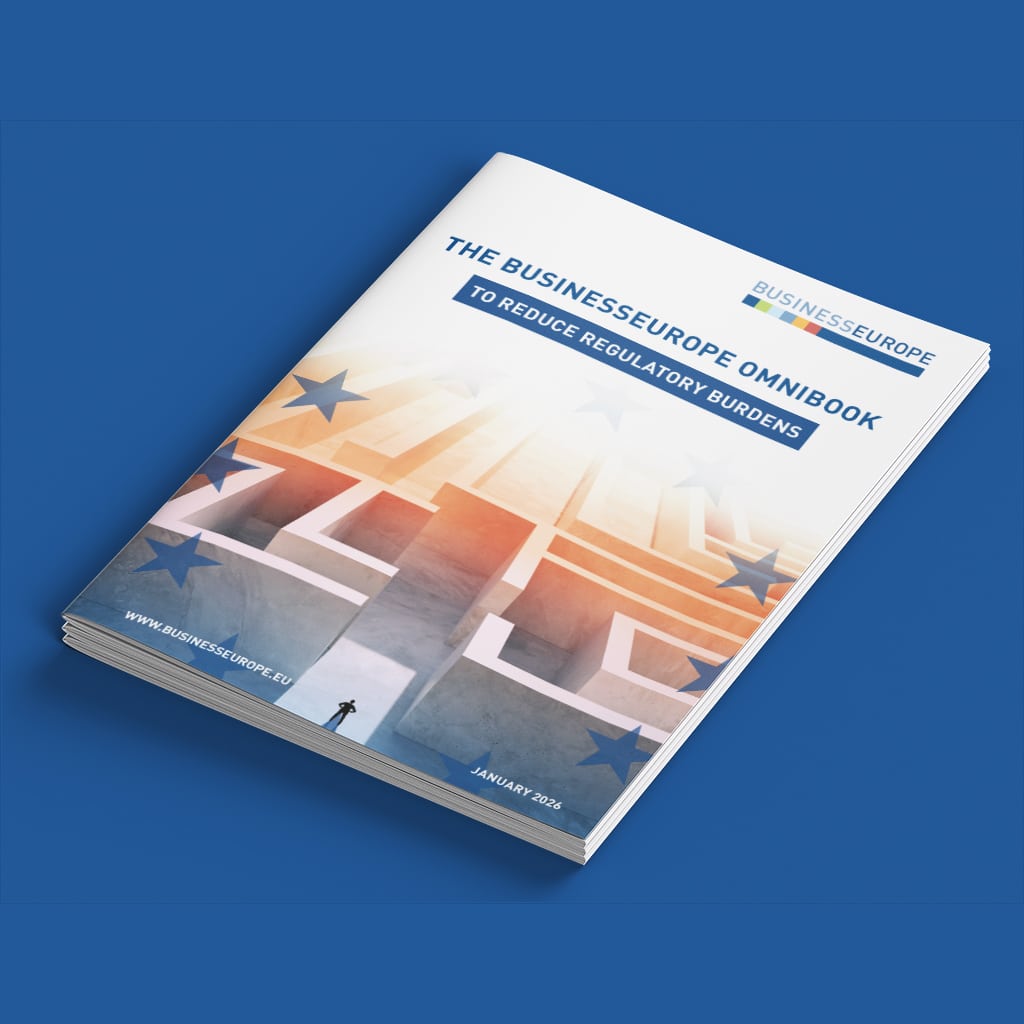
We outlined 138 concrete actions to reduce administrative burdens in 2026
%